- Jul 20, 2025
Montessori and Screen Time: Let’s Stop Pretending We Live in 1912
- My ECE Coach
- Casa Mia Montessori
- 0 comments
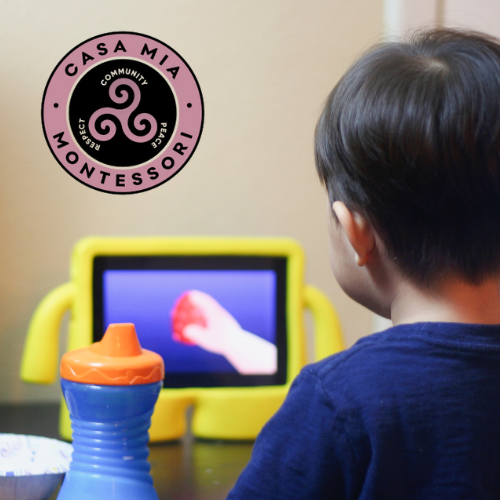
Let’s talk about the glowing rectangles we love to hate. Screens.
They help us cook dinner, survive waiting rooms, and yes, occasionally teach our kids something other than how to reenact YouTube shorts.
If you are trying to live a Montessori-at-home life, you may be wondering if screen time breaks all the rules. You might even be imagining Maria Montessori shaking her head every time you hand your child an iPad.
Pause. Breathe.
Screen time is not the problem.
Lack of intention is.
Montessori was never about pretending the modern world does not exist. It was about helping children learn how to engage with their world thoughtfully, purposefully, and with independence. That includes technology.
What Montessori Actually Says About Screens
Montessori philosophy prioritizes real-world experiences, hands-on learning, and sustained focus. Screens are not made of wood, glass beads, or sandpaper letters, and that is okay.
Screens are not the enemy.
They are a tool.
In a Montessori home, screens should support learning, not replace it. Think of technology as a supplement, not the foundation. Helpful when used intentionally. Disruptive when used carelessly.
1. Use Screens With Purpose, Not Convenience
Not all screen time is created equal.
A short video showing how bread is made in another country can inspire real-world work.
A loop of fast-paced toy unboxing videos usually does the opposite.
Look for content that connects to reality:
Nature documentaries with real animals
Guided yoga or movement videos for children
Cooking shows your child can later replicate with you
Cultural videos showing real people doing real work
Montessori favors real over pretend and interactive over passive. Screens should extend learning, not numb it.
2. Timing Matters More Than Minutes
Screen time should never interrupt deep work or concentration.
Instead, use it:
After outdoor play
During transitions
On rainy days when movement is limited
While you prepare a meal and need focused engagement nearby
Always use a clear ending. A timer removes power struggles and builds trust. A sand timer works beautifully and feels natural in a Montessori environment.
3. Always Bring Learning Back to the Hands
Screens should point children back to real-world work.
If your child watches how bread is made, bake together.
If they see animals being cared for, offer practical life work that involves washing, sorting, or preparing food.
Examples:
Chopping soft fruit
Folding cloths
Washing toy animals
Sweeping with a child-sized broom
This is not about offsetting screen time. It is about completing the learning cycle.
4. Watch the Energy After the Screen Turns Off
The real test of screen time is what happens next.
If your child transitions calmly into hands-on work, the content likely supported them.
If they melt down or struggle to re-engage, it is time to reassess both content and timing.
Follow screen use with grounding activities:
Puzzles
Sensory bins
Playdough
Painting or drawing
Montessori environments are designed to regulate, not overstimulate.
5. Model the Behavior You Expect
Children absorb far more from what we do than what we say.
Keep phones out of learning spaces.
Narrate intentional use, such as setting a timer or looking up a recipe.
Create tech-free times where the entire family disconnects.
Montessori starts with the adult.
If you want Montessori explained clearly for modern life, including how to make intentional decisions around things like screen use, the Casa Mia Montessori Training Manual walks you through the philosophy step by step in a real home context.
👉 Get the Montessori Training Manual
Final Thought
You Are Not Doing Montessori Wrong
Montessori is not about perfection. It is about purpose.
If your child watches a movie while you regroup with a piece of chocolate, you are not failing. You are human.
When screens are used thoughtfully, they can support learning rather than sabotage it. The key is clarity, intention, and knowing what to do next.
And that is where most families get stuck.
Want Clear Montessori Guidance You Can Actually Follow?
If you want Montessori explained step by step, without guesswork or overwhelm, start with our Casa Mia Montessori Self-Study Manual.
It walks you through:
How to set up Montessori works
How to present lessons clearly
How to use simple materials you already have
How to support independence without pressure
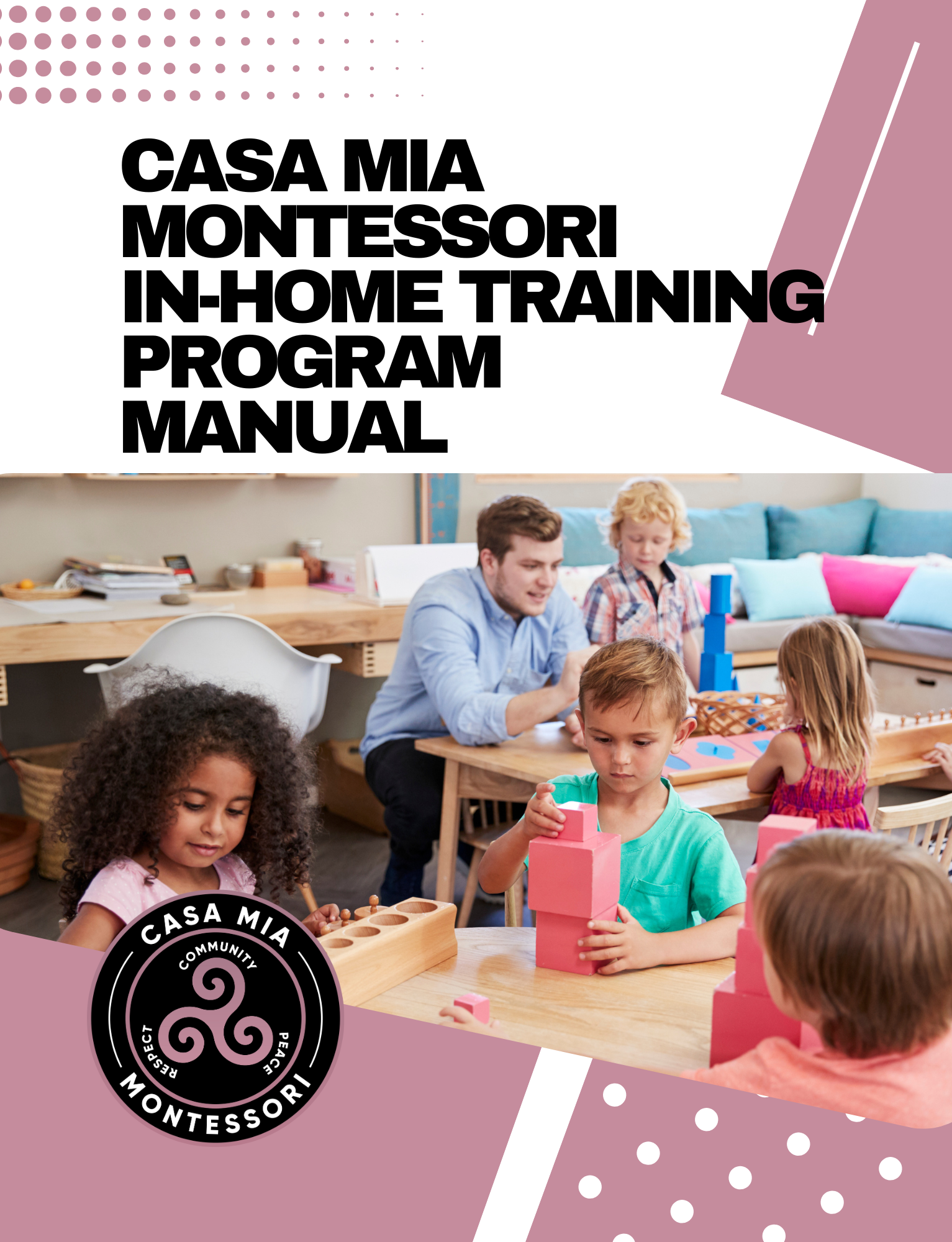
👉 Click here to get your copy!
If you are ready to go deeper and want guided instruction you can follow at your own pace, our Casa Mia Self-Paced Training Program shows you exactly how to teach Montessori confidently in a real home environment.
👉 Click here to enroll in the self-paced training!
You do not need perfection.
You need clarity.
In this with you,
~ Tamye

Founder, Casa Mia Montessori
Helping families find balance between tech and tactile, without tossing the tablet (or their sanity)